
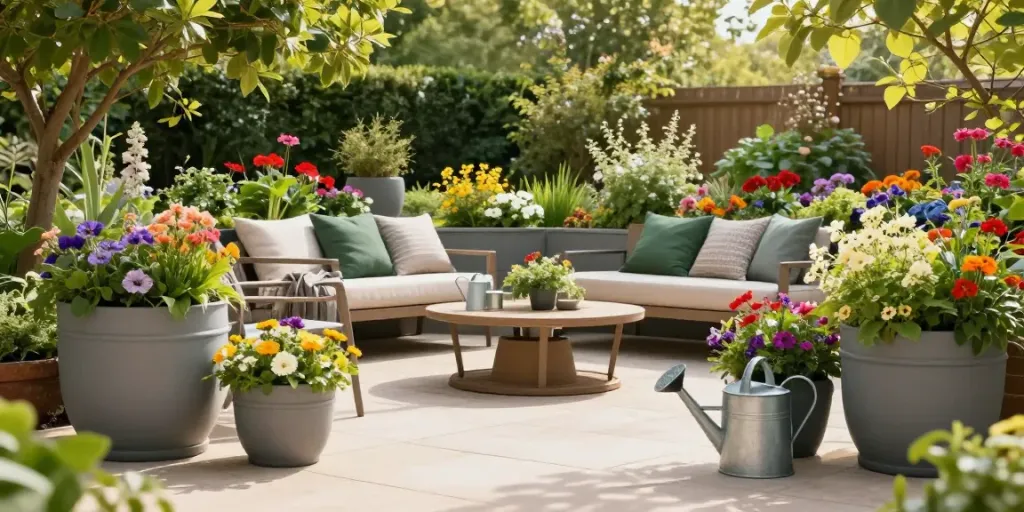
Understanding the Appeal of Extra Large Planters
Extra large planters have become increasingly popular among garden enthusiasts and homeowners alike. These impressive containers not only serve a practical purpose but also enhance the aesthetic appeal of outdoor and indoor spaces. With their ability to accommodate a wide variety of plants, including trees, shrubs, and flowering plants, extra large planters are a versatile solution for anyone looking to make a bold statement in their gardening design. When exploring options, extra large planters provide comprehensive insights into the best choices available in the market today.
Benefits of Using Extra Large Planters
Choosing to incorporate extra large planters into your garden design offers a multitude of benefits:
- Enhanced Aesthetics: Their size allows for creativity in design, enabling you to create focal points in your garden.
- Versatility: They are suitable for various plant types, including perennials, shrubs, and even small trees.
- Ease of Maintenance: Larger planters often retain moisture better, reducing the frequency of watering.
- Mobility: Depending on their construction, many extra large planters can be moved to new locations, allowing flexibility in garden arrangements.
Choosing the Right Materials for Your Planters
When selecting extra large planters, the material is an essential factor to consider. Different materials not only influence the durability and appearance but also affect the maintenance level required. Common options include:
- Wood: Offers a natural look but will require treatment to prevent rot and pests.
- Plastic: Lightweight and often UV resistant, making them ideal for outdoor use.
- Metal: Provides a modern aesthetic but can heat up quickly in direct sunlight, potentially affecting plant health.
How to Incorporate Extra Large Planters into Your Garden Design
Integrating extra large planters into your garden can transform ordinary spaces into extraordinary ones. Consider the following design tips:
- Use them as corner pieces to draw the eye towards focal points.
- Create a layered effect with varying heights of plants to add depth.
- Incorporate them into pathways for added character and interest.
Types of Extra Large Planters Available
Material Options: Wood, Plastic, and Metal
As mentioned earlier, choosing the right material for your extra large planters is crucial. For instance, a wooden planter can blend seamlessly into a rustic garden style, while a sleek metallic option may be perfect for modern landscapes. Additionally, consider hybrid options that combine materials for enhanced durability and aesthetic appeal.
Design Styles: Modern vs. Traditional
Extra large planters come in various designs, catering to different tastes:
- Modern: Characterized by clean lines and minimalistic shapes, often in neutral colors.
- Traditional: Includes ornate details, classic shapes, and often features earthy tones and textures.
Choosing Planters for Different Plant Types
When selecting an extra large planter, it is essential to consider the types of plants you intend to grow. For instance:
- For Trees: Opt for deeper planters to accommodate root systems.
- For Succulents: Use shallow yet wide planters to encourage airflow and drainage.
- For Vegetables: Choose planters that are both wide and deep to allow for adequate soil volume.
Best Practices for Planting in Extra Large Planters
Soil Selection and Preparation Techniques
Proper soil is essential for the health of plants housed in extra large planters. A well-draining mix tailored to the specific types of plants you are growing will promote healthy root systems. For example, incorporating organic compost can enhance nutrient availability and soil structure.
Watering Strategies for Large Planters
Watering can be trickier with extra large planters due to their size. Implement the following strategies to ensure your plants thrive:
- Use a moisture meter to prevent overwatering.
- Consider drip irrigation systems for larger setups.
- Mulch the surface of the soil to retain moisture and reduce evaporation.
Fertilization and Maintenance Tips
Routine maintenance is key to keeping your plants healthy in extra large planters. Create a fertilization schedule based on the types of plants used and their growth cycles. Organic fertilizers can provide slow-release nutrients for sustained growth.
Creative Landscaping Ideas with Extra Large Planters
Incorporating Planters into Outdoor Living Spaces
Extra large planters can play a vital role in enhancing outdoor living areas. Use planters to frame patios or to delineate spaces within open areas. This can create cozy nooks perfect for relaxation or entertaining.
Layering Plants for Visual Impact
When planting in extra large containers, consider layering plants of varying heights, textures, and colors. This not only creates visual interest but also encourages biodiversity. Plant taller varieties at the back and shorter ones towards the front for a dynamic display.
Using Planters to Define Areas in Your Garden
Utilizing extra large planters can help define areas within your garden. For example, a row of large planters can delineate garden paths, while strategically placed planters can create distinct zones for different uses, such as dining or lounging.
Future Trends in Extra Large Planters for 2026
Innovative Designs and Sustainability in Planters
As we move towards 2026, trends in extra large planters are leaning towards sustainability and eco-friendliness. Look for planters made from recycled materials and energy-efficient manufacturing processes. Biodegradable options may also gain popularity as environmentally conscious gardening practices evolve.
Smart Planters and Technological Advancements
The rise of smart gardening tech is likely to influence the design of extra large planters. Features like self-watering systems and integrated sensors for monitoring soil moisture levels are becoming more common, making care easier for gardeners.
Predicted Popular Plant Varieties for Large Containers
In the coming years, certain plant varieties will gain traction for their adaptability in large planters. Expect to see more interest in:
- Native Plants: These require less maintenance and support local ecosystems.
- Perennials: They provide lasting beauty with minimal annual effort.
- Edibles: Vegetables and herbs are increasingly popular for home gardeners.
Frequently Asked Questions
What is the largest planter I can buy?
The size of extra large planters can vary widely, with some reaching heights and widths of over four feet. The exact dimensions depend on the manufacturer and material used, so it’s best to check specific product details.
Where can I get extra large planters?
Many garden centers, home improvement stores, and online retailers specialize in large planters. Make sure to compare materials and designs to find the best fit for your requirements.
What can I use instead of a large planter?
If you're unable to find a suitable large planter, consider using repurposed items like large buckets, wooden crates, or even old bathtubs, provided they offer adequate drainage.
Who sells extra large plant pots?
Retailers ranging from local garden supply stores to large online marketplaces offer a diverse selection of extra large plant pots. Popular brands also have dedicated collections that cater specifically to those looking for larger sizes.